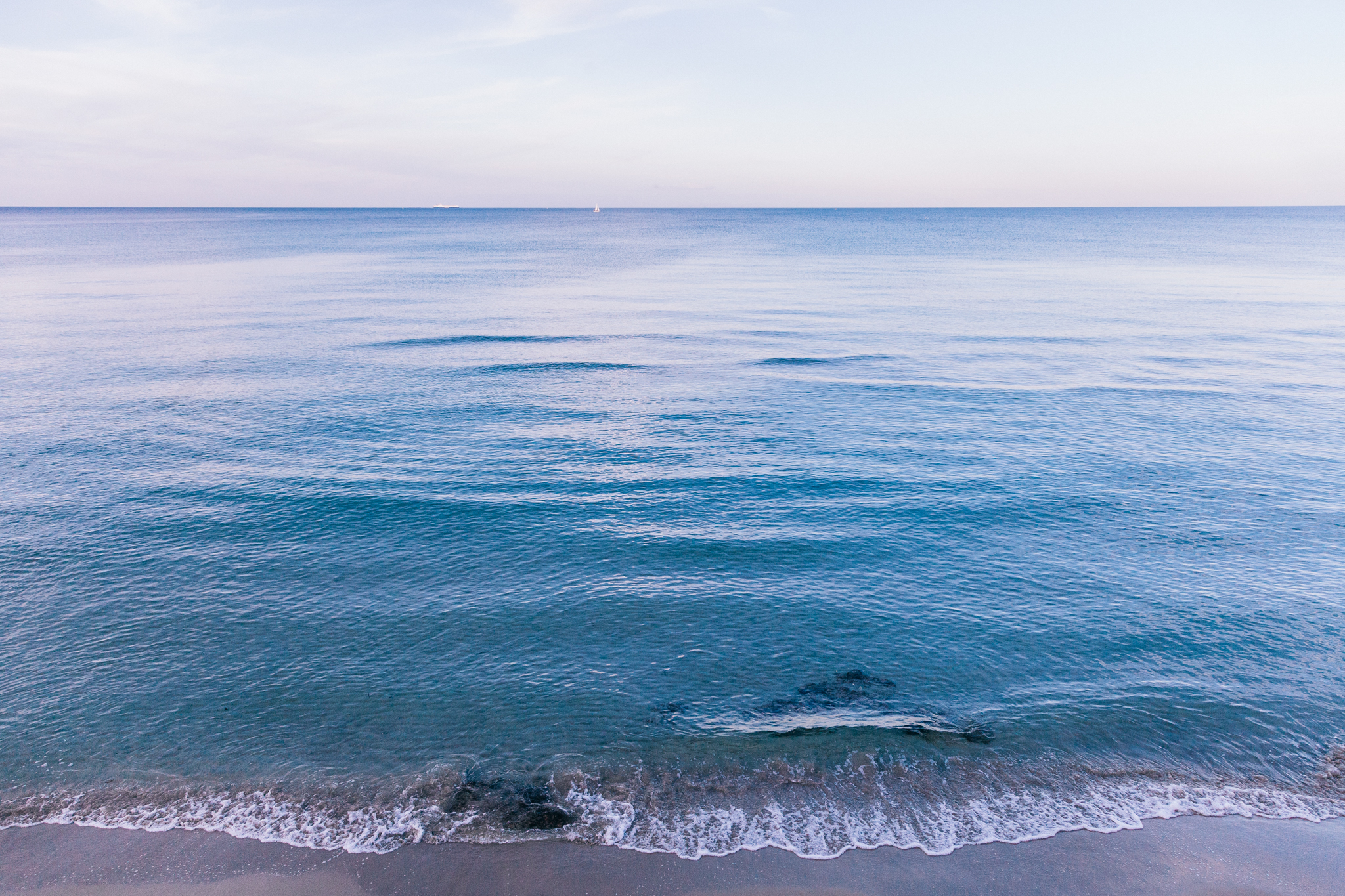

From the deck, a day at anchor looks harmless. Below the surface the picture changes. Engines burn fuel, waste water has to end up somewhere, and an anchor dropped in the wrong place drags across the seabed.
What boating leaves behind
A 2020 paper in the journal Sustainability, by Ani Trstenjak, Saša Žiković and Hoda Mansour, reviews earlier research on nautical tourism. Among the studies it cites is one on anchoring along the Spanish coast at Jávea. Its conclusion: growing boat traffic adds to greenhouse gas emissions, water pollution and heavy anchoring near the shore, impacts that can destroy marine flora and fauna. The paper also recalls a warning from the literature. Despite its “high quality” image, nautical tourism is by no means green, and without change it risks repeating the mistakes of mass tourism.
The authors’ own survey of charter companies, carried out in 2018 in five Mediterranean countries, found that few vessels had solar panels installed. The obstacles were not technical. Companies pointed to lack of funding and complicated procedures, and many admitted they simply lacked information.
Plan Bleu, the centre of expertise on environment and development that serves the countries bordering the Mediterranean, looks at the same problem from the policy side. Its 2022 guidelines on cruising and recreational boating were drawn up with over 100 stakeholders, from port authorities to managers of marine protected areas. Among the sector’s main challenges they list cutting emissions of pollutants and greenhouse gases, protecting ecosystems and biodiversity, and eliminating water pollution while improving waste management. They also show that working solutions exist, such as the “Ports Propres” certification for marinas and the zoning of the Portofino Marine Protected Area.
What an eco-nautical route is
ECO-SEAROUTES approaches the problem through cooperation between ports. The project’s Communication Strategy describes the eco-nautical route as a transnational network of Mediterranean ports committed to shared sustainability standards, combined with a digital management tool. Ports in the network adopt common environmental standards and sustainable practices for nautical tourism, and work together to reduce overtourism pressure on coastal areas. The approach builds on the Smart Way methodology developed by The Phoenicians’ Route, one of the project partners.
The project documents set two commitments for the ports involved: a common sustainability standard, and the redistribution of tourism flows to neighbouring coastal and inland areas.
From the marina to the territory
The link between sea and land runs through an online portal and web app developed by The Phoenicians’ Route. It is designed to monitor environmental impact and promote the local ECO-SEAROUTES Itineraries connecting ports to inland destinations. Each itinerary is centred on a port or marina. Visitors are invited to leave the boat there and explore the surroundings on foot, by bike, by electric scooter or by public transport, stopping at services offered by the local operators who took part in designing the route. The web app is also meant to track the ecological footprint of these visits, so that partners can fine-tune each itinerary.
ECO-SEAROUTES tackles the greatest challenge facing coastal tourism in the Mediterranean: excessive pressure on ports and natural areas, and insufficient attention to the treasures of the nearby regions. We are developing eco-nautical itineraries linking ports and marinas with community-led Smart Ways, with the aim of redirecting tourist flows from overcrowded coastlines to authentic inland destinations. A new model in which tourism protects rather than destroys.
Learn more: https://eco-searoutes.interreg-euro-med.eu/what-we-achieve/
Sources:
- Trstenjak A., Žiković S., Mansour H., Making Nautical Tourism Greener in the Mediterranean, Sustainability, MDPI (2020): https://www.mdpi.com/2071-1050/12/16/6693
- Plan Bleu, Guidelines for the sustainability of cruising and recreational boating in the Mediterranean region (April 2022): https://planbleu.org/en/publications/guidelines-for-the-sustainability-of-cruising-and-recreational-boating-in-the-mediterranean-region/
- CINEA, European Commission, Sustainable tourism: a priority for Western Mediterranean (11 October 2024): https://cinea.ec.europa.eu/news-events/news/sustainable-tourism-priority-western-mediterranean-2024-10-11_en