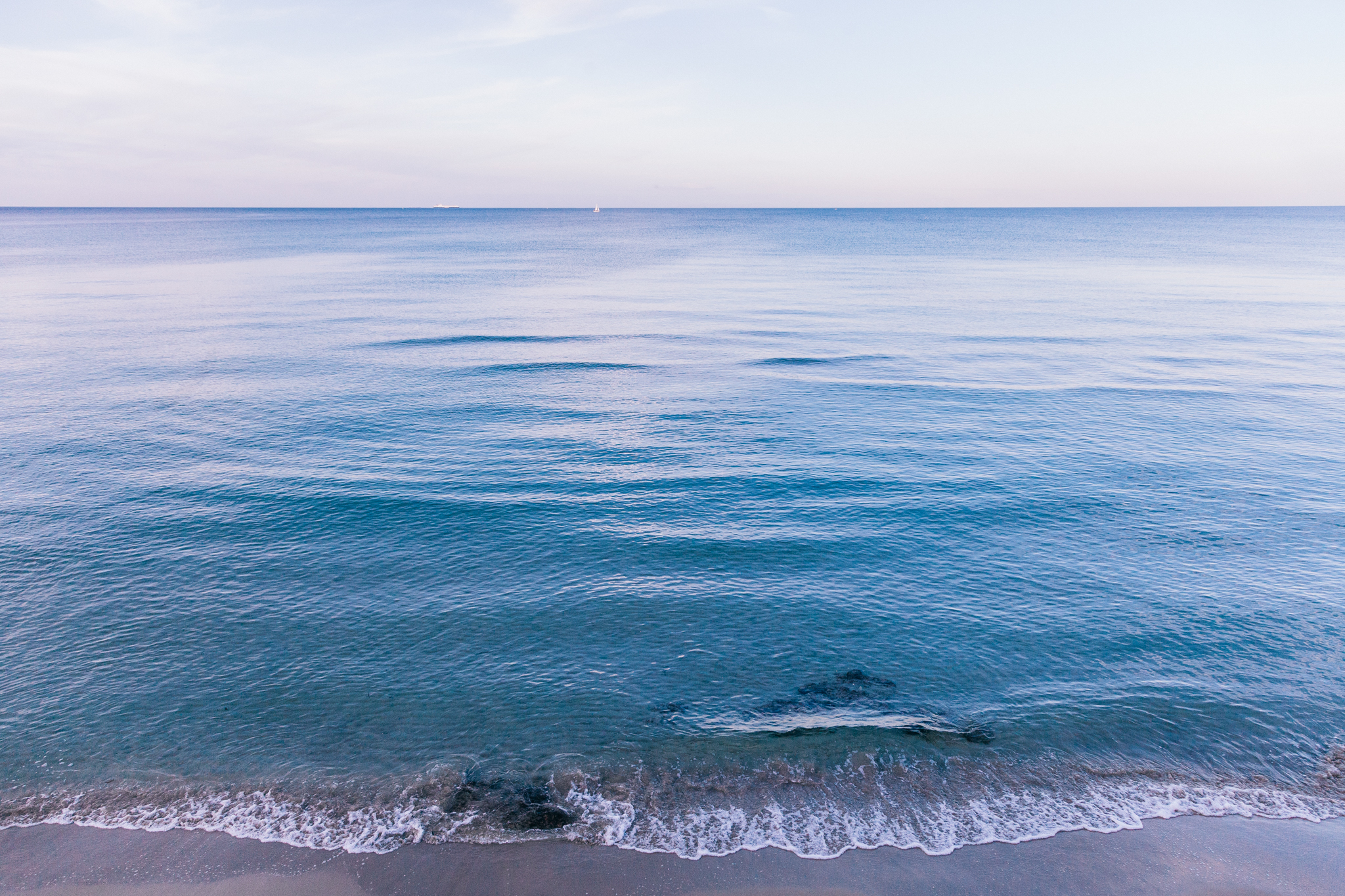

From the deck of a cruise ship, a Mediterranean port looks like a postcard. Terracotta rooftops, clear water, a church bell ringing somewhere in the old town. A few hours later, the ship moves on to the next destination and the passengers take their photos with them. What stays behind is another matter entirely.
The Scale of the Phenomenon
The cruise industry carried 34.6 million passengers globally in 2024, according to the Cruise Lines International Association (CLIA), and the Mediterranean remains one of its most popular destinations. Barcelona alone handled over 3.6 million cruise visitors in 2024. Santorini and Mykonos regularly see thousands of passengers disembark on the same morning, in towns whose streets were built for a fraction of that number.
The pressure this creates is not just logistical. It is environmental, social, and economic in ways that are rarely visible from the ship itself.
What the Town Actually Gets
Research published by Plan Bleu, the regional environment centre for the Mediterranean, points to a recurring problem: economic leakage. A significant portion of the revenue generated by cruise tourism flows back to the cruise lines and the ports of embarkation, rather than into the local communities receiving the visitors. Passengers on short transit stops spend less, stay in fewer local businesses, and often follow excursions pre-organised by the cruise company rather than exploring independently.
Meanwhile, the costs fall on the destination: congested streets, overloaded sanitation systems, air and water pollution from ships at anchor, and gradual wear on historic sites and natural areas.
Ports Are Starting to Push Back
France, Spain, and Italy have introduced new regulations to manage cruise traffic more carefully. Ships carrying over 3,000 passengers may be barred from some popular ports, daily limits on vessel numbers are being introduced, and priority docking is being granted to ships that meet sustainability standards. In Nice, the mayor personally called on maritime authorities to remove a vessel that had violated regional docking rules.
These measures reflect real urgency. But they also confirm what researchers and local communities have been saying for years: the current model concentrates pressure at the coast while redirecting very little of the benefit to the surrounding territory.
A Different Model
The ECO-SEAROUTES project takes a structural approach to this imbalance. By connecting Mediterranean ports to inland destinations through eco-nautical itineraries, the project aims to extend the tourist experience beyond the port, keeping visitors longer, spreading economic activity more evenly, and reducing the burden on already saturated coastal areas.
The question is not whether cruise tourism should exist. It is whether coastal towns should keep bearing the full weight of it.
ECO-SEAROUTES tackles the greatest challenge facing coastal tourism in the Mediterranean: excessive pressure on ports and natural areas, and insufficient attention to the treasures of the nearby regions. We are developing eco-nautical itineraries linking ports and marinas with community-led Smart Ways, with the aim of redirecting tourist flows from overcrowded coastlines to authentic inland destinations. A new model in which tourism protects rather than destroys.
Learn more: https://eco-searoutes.interreg-euro-med.eu/what-we-achieve/
Sources:
IDDRI, Sun, sea & crises: can the Mediterranean reinvent tourism? (2025): https://www.iddri.org/en/publications-and-events/blog-post/sun-sea-crises-can-mediterranean-reinvent-tourism
Plan Bleu, Tourism in the Mediterranean: a driving force for sustainable development?: https://planbleu.org/en/projects/tourism-in-the-mediterranean-a-driving-force-for-sustainable-development/
MedFuels, Mediterranean Ports Crack Down on Cruise Ships to Combat Overtourism (2025): https://www.medfuels.com/post/mediterranean-ports-crack-down-on-cruise-ships-to-combat-overtourism