
Every summer, the same images circulate: cruise ships blocking Venice’s skyline, Greek islands overwhelmed by ferries, beaches where towels outnumber grains of sand. For the communities living behind those postcards, and for the ecosystems that make them worth visiting, the story is far more serious than it looks.
Too Many People, Too Few Places
The Mediterranean is the most visited tourist destination on the planet, receiving around 30% of global arrivals, roughly 360 million international tourists every year, with projections exceeding 500 million by 2030. The problem is not the numbers themselves. It is that the vast majority of visitors arrive in the same places, during the same months, year after year.
Overtourism is what happens when visitor numbers consistently exceed a destination’s capacity to absorb them without lasting harm: environmental degradation, strained infrastructure, housing crises, and the slow erosion of local identity. Research published in City, Territory and Architecture (Springer Nature, 2025) confirms that especially in Mediterranean islands, the problem is not annual totals but extreme seasonal and spatial concentration, intense pressure in specific locations, for a few months, with little recovery time in between.
Ports and Coastlines Under Pressure
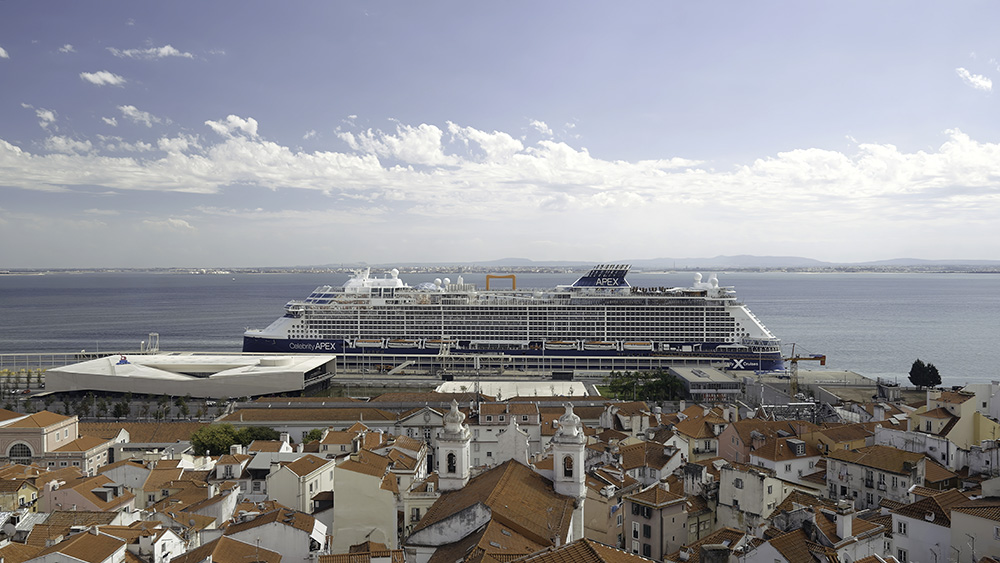
Maritime tourism adds another layer. When large cruise ships dock, thousands of passengers flood streets built centuries ago for far smaller crowds. Anchor damage, waste water, air pollution, and physical wear all leave measurable marks on the seabed and coastline. As ECO-SEAROUTES states, Mediterranean ports are under intense tourist pressure, making their protected natural areas increasingly vulnerable.
Governments are starting to respond. Greece has extended environmental protections to 251 coastal sites under the Natura 2000 framework, restricting commercial activity at the most fragile locations. Sardinia has piloted digital visitor caps at its most pressured beaches. Barcelona has reduced large cruise ship access at its central port.
These are meaningful steps, but they are mostly reactive and disconnected. Capping one beach does not reduce pressure on the coast. Restricting one port does not redirect flows somewhere better equipped to absorb them.
A Coordinated Response
The ECO-SEAROUTES project, funded by the Interreg Euro-MED Programme, works on exactly this logic. Ten partners from seven Mediterranean countries are developing a shared network of eco-nautical routes, connecting overcrowded ports with nearby destinations that have the capacity, the heritage, and the community support to welcome more visitors sustainably. The goal is not fewer tourists, it is better-distributed ones.
ECO-SEAROUTES tackles the greatest challenge facing coastal tourism in the Mediterranean: excessive pressure on ports and natural areas, and insufficient attention to the treasures of the nearby regions. We are developing eco-nautical itineraries linking ports and marinas with community-led Smart Ways, with the aim of redirecting tourist flows from overcrowded coastlines to authentic inland destinations. A new model in which tourism protects rather than destroys.
Learn more: https://eco-searoutes.interreg-euro-med.eu/what-we-achieve
Sources:
IDDRI – Sun, sea & crises: can the Mediterranean reinvent tourism? (2025): https://www.iddri.org/en/publications-and-events/blog-post/sun-sea-crises-can-mediterranean-reinvent-tourism
Attard et al. – Overtourism in Mediterranean Islands, City, Territory and Architecture, Springer Nature (2025): https://link.springer.com/article/10.1186/s40410-025-00281-9
Tourism Review – 251 Greek Beaches to Be More Sustainable (2025): https://www.tourism-review.com/greek-beaches-introduce-measures-against-overtourism-news15441